A good first aid trainer can transform a necessary office session right into training you remember under stress. Years after you earn a first aid certificate, the specifics you retain typically boiled down to just how your trainer showed you to think, not just what they informed you to do. I Maroochydore CPR course have seen careful students come to be crucial responders after a solitary well-run CPR course. I have actually likewise enjoyed proficient medical professionals struggle to show since they overstated what beginners can take in. The distinction resides in a handful of top qualities that surpass credentials.
This guide considers those high qualities in functional terms. If you are reserving a first aid and CPR course for a team, comparing first aid courses for individual development, or revitalizing your abilities after a few years away, make use of these traits to evaluate the person that will be in front of the area. The end results are concrete: faster acknowledgment, fewer errors, and extra determination to act when secs matter.
Real-world reputation that informs, not intimidates
First help training take advantage of instructors that have replied to actual emergency situations. A history as a paramedic, registered nurse, firemen, lifeguard, or initially -responder builds a collection of circumstances that make the content memorable. What matters is how that experience shows up in class.
The finest teachers equate lived experience into bite-sized understandings. They inform a narrative concerning a passing out event at a stadium to show crowd security, then pivot to airway checks and recovery placement with a clear, repeatable series. They share a detail like the noise of agonal breathing so students recognize it without wasting time, but they never turn the session right into a string of battle tales. If you feel influenced to exercise tougher, yet never belittled for being brand-new, you have an instructor who utilizes integrity the ideal way.
I as soon as enjoyed 2 teachers teach back-to-back CPR training for the very same group. Both had strong area experience. One filled up the session with advanced lingo and side notes regarding uncommon problems, and the students froze throughout technique. The other simplified everything to compressions first, rescue breaths when safe and trained, and highlighted rhythm with a metronome at 100 to 120 beats per minute. The abilities checkoffs told the tale: more trainees in the 2nd session satisfied deepness and recoil targets on their initial try.
Mastery of core methods and the self-control to teach them simply
First aid and CPR are built on evidence-based guidelines that update every five years or so. Great instructors stay present, then cut the message to what the student can execute under stress. They focus on sequence and decision factors, and they identify plainly between must-do actions and useful extras.
A trustworthy indication Great post to read is how they present an algorithm. For grown-up CPR, you must listen to something like this: examine responsiveness, call or send out for aid and an AED, start compressions set in the facility of the chest, lessen interruptions, affix and adhere to the AED as soon as it gets here. When a pupil asks about nuanced variations, a strong instructor solutions without hindering the basics. They treat infant compressions and grown-up compressions as distinctive abilities and pierce them individually. If a training course wanders right into edge situations before learners can achieve constant chest recoil, that is a red flag.

Look for calculated method developed into the day. 10 clean cycles of compressions with noticeable chest rise on breaths will certainly defeat one best cycle after a long lecture. The very best teachers set up brief bursts of training followed by hands-on drills: technique recuperation position after the airway sector, method back blows and upper body drives quickly after choking acknowledgment, and revisit skills in fast refresher courses near the end.
Safety mindset without theatrics
First aid training take care of danger. Correct trainers design safety in a tranquility, foreseeable means. They established guideline at the start, not as an abuse yet as a shared strategy: clear the flooring around manikins, sanitize after each turn, turn functions so nobody strains their hands on compressions, and check environmental risks in every scenario.
Too much drama can backfire. Smoke devices, mock blood, or screaming might look amazing, but lots of grownups closed down under those conditions and quit discovering. A high-quality first aid and CPR course produces simply sufficient time stress to mimic adrenaline, yet maintains mental security high. You ought to really feel challenged, not ambushed.
A little example says a whole lot. When teaching EpiPen usage, a self-displined trainer utilizes instructors first, then clearly identifies the actual tool, verifies no one has severe hatreds the active ingredients, and maintains the online auto-injector in their pocket unless scenario training needs it. This shows respect for devices and learners.
Feedback that specifies, kind, and timely
The difference between valuable and useless feedback is often a solitary sentence. Telling a student "great work" or "that was incorrect" does practically absolutely nothing. An effective first aid pro offers narrow, workable correction within seconds: "Your deepness is a little superficial, go for at the very least 5 centimeters," or "Let the upper body fully increase in between compressions, believe up-down with a small pause on top." They enjoy hands, arm joints, shoulder position, and body auto mechanics since those noticeable cues drive results.
Instructors that care about your retention construct in spaced repetition. They return to skills later on, unannounced, and keep the adjustments short. The research on skill degeneration in CPR is clear: quality decreases within months without method. A thoughtful trainer acknowledges this and factors you to a cpr refresher course routine or micro-practice pointers you can do in 5 minutes at home. I have actually seen teams elevate their ordinary compression portion by 10 percent just by committing to quarterly five-minute refreshers around an AED cabinet.
Adaptability to various bodies, work, and contexts
First help is not one-size-fits-all. A fantastic instructor reviews the space and adapts, whether the course includes childcare employees who need pediatric emphasis, stockroom staffs with raising injuries, or office teams that rarely leave a desk.
Adaptation turns up in little accommodations. For learners with minimal upper body stamina, they demonstrate a kneeling position closer to the individual's upper body and exactly how to make use of body weight a lot more successfully. For a person with a knee concern, they show how to pad the flooring or make use of a stool while keeping compression depth. For spiritual or cultural factors, some students may wait to offer rescue breaths. A comprehensive instructor walks through compression-only CPR as a legitimate and reliable choice, backed by existing support, without reproaching anyone.
This flexibility additionally shows up in situation option. As opposed to a common fainting scene, a wise instructor produces a warehouse circumstance with a fall from a pallet, coaching the course through scene security, presumed back safety measures, and triggering inner emergency situation procedures. Context makes retention easier.
Communication that lands under stress
Plain language is non-negotiable. When trainers claim "sternum" and "xiphoid procedure" without translating to "facility of the upper body" and "prevent the lower tip," novices get shed. Jargon has a place, however clearness trumps precision when educating ordinary -responders. The right trainer keeps the rhythm tight, uses short sentences, and supports crucial numbers with sensory cues.
For CPR timing, they could use a metronome or a well-known track at about 100 to 120 beats per min. For bleeding control, they show what "firm, direct stress" resembles, consisting of how white your knuckles ought to hop on a gauze roll. Learners remember what they can really feel and see.
Good communicators likewise ask targeted questions to inspect understanding: "If you are alone and discover a less competent adult, what is the very first thing you do?" After that they stop briefly enough time for somebody to address, and they normalize hesitation as component of learning.
Evidence of proficiency: accreditation, placement, and calibration
Credentials are not the whole story, however they matter. In the majority of areas, reputable first aid courses straighten with national or worldwide standards. Teachers ought to be recognized via recognized bodies and able to describe how their first aid and CPR course maps to those guidelines. If you ask when the curriculum was last updated and they respond to clearly, you are in excellent hands. If they shrug, take into consideration an additional provider.
Calibration divides professionals from hobbyists. The very best teachers run their classes with quantitative checks: they use manikins that measure compression deepness and price, they time action periods in situations, and they record successful ability demonstrations. This is not bureaucracy. It ensures your first aid certificate stands for actual capability, not just attendance.
Professionals additionally understand the range of first aid. They are clear concerning when to stop and call for sophisticated help. They demonstrate how to pass details to paramedics efficiently. They do not urge interventions that surpass ordinary training, and they are comfortable claiming "I do not know, but let's learn."
The right equilibrium of framework and flow
A solid first aid training day has a rhythm. You should sense an arc: very early involvement, foundational skills, scenario application, and a last loan consolidation. Within that arc, the instructor leaves area for the team's rate. If the class struggles with choking relief, they reduce and add an additional round of technique. If students comprehend wrapping quickly, they relocate on.
Rigid teachers press via a taken care of slide deck despite what learners require. The best ones make use of slides as motivates, not scripts. They lug back-ups for equipment failings and can pivot from a power blackout to hands-on drills without panic. Time management matters too. Nothing weakens retention like dashing via AED use in the last five minutes. A professional timetables barrier, after that secures it.
An outstanding indicator is exactly how they take care of concerns. They maintain answers short, provide a concrete takeaway, and park complicated tangents for a break. Learners entrust to clear psychological checklists, not a haze of fascinating yet unused facts.
Respect for learners and their boundaries
People bring their history into a first aid course. Somebody in the space has lost an enjoyed one to sudden cardiac arrest. An additional passed out in public and still lugs the shame. A considerate instructor recognizes when to press and when to hold steady. They check for permission before role-play that involves touch, they use opt-outs scot-free, and they make it clear that speaking up about discomfort is part of a secure discovering environment.
Respect likewise appears in exactly how teachers proper mistakes. Public shaming has no place in training that intends to build confident -responders. Personal, concise mentoring works better. When appreciation occurs, it is specific: "Your hand placement remained consistent through all 30 compressions, that maintained the AED evaluation tidy."
Scenario style that constructs judgment
First help is more than muscle mass memory. It is choosing well with insufficient information. One of the most reliable instructors layout situations that build judgment detailed. Early situations are straightforward: an unresponsive grownup, an onlooker offered to call emergency situation solutions, an AED nearby. Later scenarios add complexity: a choking young child with a panicking moms and dad, a bicyclist with a head injury and possible spinal participation, a colleague with upper body discomfort who refuses to stop working.
Each scenario ends with a short debrief that asks three inquiries: what went well, what would certainly you transform, and what details would certainly have aided? The instructor overviews, yet allows learners talk first. This representation locks in understanding and exposes blind spots. With time, trainees internalize priorities: scene safety, quick evaluation, phone call for aid, act emphatically within training, reassess.
Equipment experience, including limitations
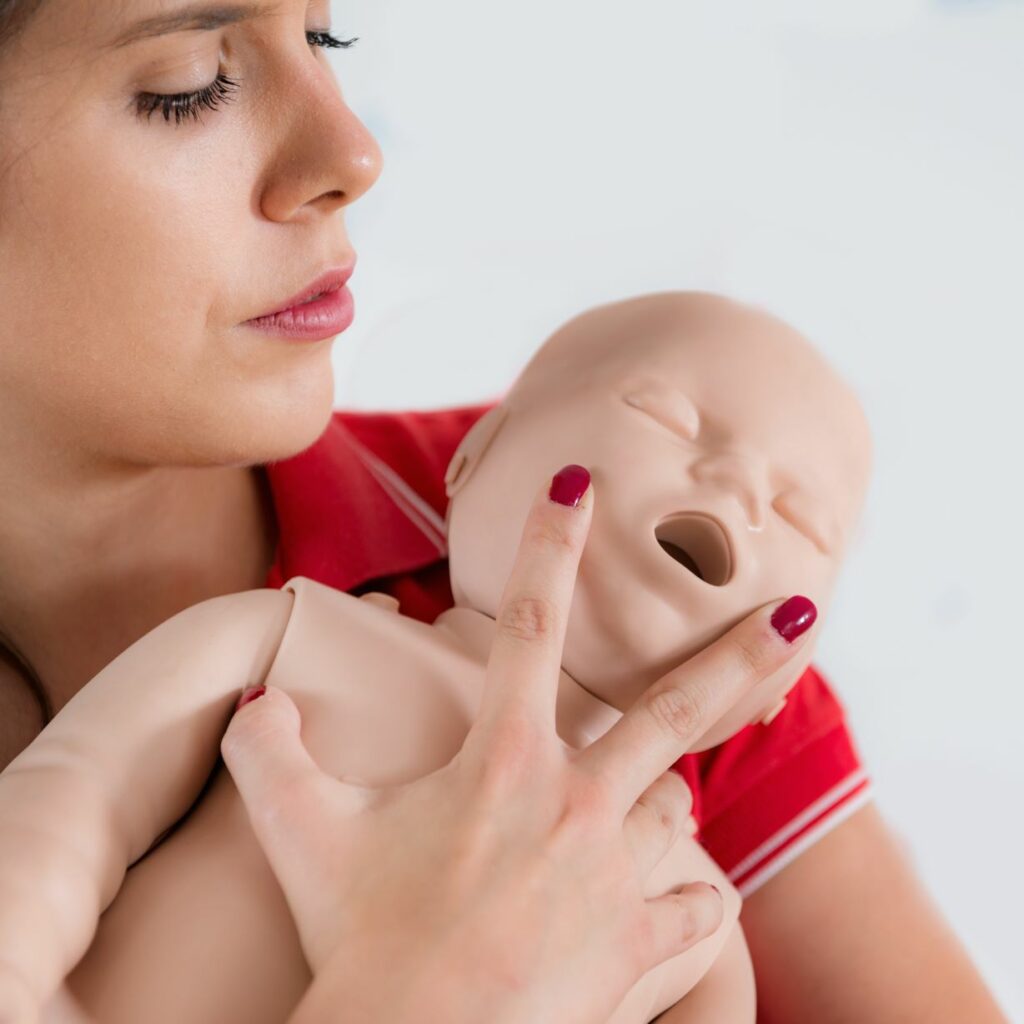
Quality instructors recognize their tools intimately and show you to do the same. AEDs vary a little throughout designs. Excellent courses rotate through at least 2 usual kinds so you see various pad placements and voice prompts. For respiratory tract barriers, they demonstrate pocket masks and face shields, after that let you feel the seal that actually makes breaths reliable. For hemorrhaging control, they reveal both stretchable bandages and improvisated options when sets run out.
They additionally discuss constraints. Not every office has a pediatric AED key. Not every first aid package consists of a tourniquet. Some AEDs store after-event information that your organization have to take care of under personal privacy policies. Clear-eyed trainers flag these restraints and help you prepare around them.
Cultural and legal awareness
First help and CPR courses run inside lawful and cultural frameworks. A well-prepared instructor can describe Good Samaritan protections in your territory without drifting into legal suggestions. They make commitments clear for marked first aiders on changes, occasion volunteers, or childcare companies. If your group deals with vulnerable populations, the trainer addresses authorization and securing directly, utilizing language that appreciates dignity while remaining practical.
Cultural proficiency shows in small habits: utilizing people-first language, using instances that do not stereotype, and inviting learners to share exactly how their areas take care of emergency Take a look at the site here situations. The most effective courses feel local, not generic.
Energy monitoring for long days
A requirement first aid and CPR course can run four to eight hours. That is a long haul if the teacher counts on slides and speeches. Search for a person who differs intensity: a fast workout drill, a short story to reset focus, a hands-on station, a short quiz video game, after that back to scenarios. They manage breaks purposefully so students return all set to move, not dazed from sugar and caffeine.
Good energy monitoring converts straight to better results. In courses that pace well, you see fewer careless compressions in the last skill test. Exhausted learners cut corners, and corners in first aid ended up being mistakes. Professional instructors know when to stop a drill, rest wrists and shoulders, and then return to with quality.
Clear paths for ongoing competence
First aid skills discolor, and everybody in the sector understands it. What separates a solid instructor from a wonderful one is how they establish you up after the training course. They provide a basic plan: schedule pointers for a cpr correspondence course in twelve month if required by your role, micro-practice motivates you can run during group huddles, links to trustworthy videos that align with your certificate company's guidelines, and a note regarding upcoming guideline updates.
Great trainers likewise invite comments and stay reachable. If a student emails a week later with a question concerning infant choking method, they answer or point to the right resource. Some companies host brief open-practice sessions where alumni can decrease in and run two abilities with training. That type of continuity maintains real-world preparedness high.
Signs you have actually found the appropriate instructor
Use the complying with quick check when choosing amongst first aid courses or a CPR course carrier. If many items prove out during your first discussion or trial session, you likely have a good match.
- They define just how they instruct, not just what they teach, and can describe adjustments for your setting. They construct hands-on time right into every significant topic and usage feedback tools for CPR quality. Their language is plain, their tales have an objective, and their corrections are specific. They welcome questions, regard boundaries, and summary clear following actions for maintaining skills. Their positioning with acknowledged standards is current, and they can show calibration in assessments.
Questions to ask before you book
A short, considerate conversation with a possible trainer will tell you more than a pamphlet. Take into consideration asking:
- How do you structure method versus lecture time in a typical first aid and CPR course? What equipment do you utilize for CPR training, and do manikins supply real-time feedback on deepness and rate? How do you adapt first aid training for our setting and roles? When were your training materials last upgraded to reflect standards, and just how do you handle changes? What does the evaluation look like, and what happens if a person has a hard time to satisfy the standard?
Notice just how each question probes for method, not hype. The answers reveal whether you are managing a performer or a teacher.
The side cases that subject expertise
Anyone can run a smooth class when everything goes right. The revealing minutes come when it does not. A student stresses throughout a choking drill and starts to sob. The AED trainer battery dies. The place's floor is also tough for knee-based technique, and half the course starts moving uncomfortably. In these minutes, professional trainers keep the area steady. They pause the drill, stabilize the reaction, and provide a different duty. They exchange tools without hassle, or they adjust the plan and transform it into a teachable factor concerning improvisation and resilience.
I once educated a team of caretakers in a facility where power went out midway. We relocated the manikins near the home windows, used a phone metronome for compressions, and ran much shorter stations to save energy. Learners later claimed that low-tech session felt more detailed to a genuine emergency than the polished variation. That is the heart of excellent first aid guideline: self-confidence that survives incomplete conditions.
How service providers separate: what to seek beyond the instructor
A solid instructor commonly works within a solid system. If you are examining suppliers, whether regional area companies or nationwide brand names, focus on the scaffolding around the class.
- Course style: Does the program sequence topics for retention, not simply coverage? Equipment quality: Exist sufficient manikins for small groups, AED fitness instructors that mirror regional devices, and clean, full first aid kits for practice? Administrative support: Is qualification delivered promptly and electronically, with clear revival timelines? Inclusivity: Do they offer choices for learners with disabilities, language support, or alternative evaluations when appropriate? Post-course support: Are refresher alternatives, brief practice triggers, or upgrade notifications component of the package?
Names matter much less than execution. Whether you train with a huge company or a store first aid pro, the very same principles apply.
What students can do to maximize a course
Instructor high quality issues, and so does your prep work. Eat, moisten, and use clothes you can kneel in. Show up happy to exercise aloud. If you have past experiences that might ensure drills hard, inform the trainer privately before course. Bring a little note pad and write down three things you wish to keep in mind for the next year. After course, schedule a five-minute testimonial monthly: 10 compressions, two breaths on a pillow with a metronome application, or a psychological rundown of the choking protocol throughout your commute. Little routines keep the pathways fresh.

The reward: confidence that travels
A terrific first aid and CPR course does more than check a conformity box. It changes just how you move through public areas. You start noticing AED cupboards, scanning for exits, and washing your hands with function. You can soothe an area, appoint jobs, and get top quality compressions began while aid gets on the way. That solidity spreads. Groups that train well with each other manage real cases with less disorder and even more care.
At some factor, you may meet the moment for which you educated. An associate slumps at a desk. A youngster coughs, then goes quiet. A complete stranger falls down near a gym treadmill. When that takes place, you will certainly not keep in mind every slide. You will certainly bear in mind the trainer who kept your arm joints directly, who made you practice until the beeps lined up, that appreciated your pace and still pushed you to competence. That is what makes a great first aid trainer: somebody whose teaching sticks with you when the space goes silent and the job begins.